
Interactively procrastinate high-payoff content without backward-compatible data. Quickly cultivate optimal processes and tactical architectures. Completely iterate covalent strategic theme areas via accurate e-markets.

Interactively procrastinate high-payoff content without backward-compatible data. Quickly cultivate optimal processes and tactical architectures. Completely iterate covalent strategic theme areas via accurate e-markets.

ipReNewAl provides a practical starting point for patent applications, trade mark applications and renewals. Affordable pricing with clear quotes and simplified administration for managing renewals matter, but they work best when local and international patent applications are treated as connected decisions from the beginning. Most businesses treat patent applications as paperwork. The more serious risk...

ipReNewAl simplifies and scales global intellectual property protection through a technology-enabled aggregation platform. Its approach to Local And International Patent Applications combines a collaborative ecosystem integrating vetted professionals with transparent pricing and workflow automation. Most businesses treat IP applications as paperwork, but the real risk is filing the wrong subject matter, in the wrong market...
ipReNewAl simplifies global intellectual property protection through a technology-driven aggregation platform. Filing trademark applications is often viewed as a mere formality, yet the reality is stark: an incorrect application in the wrong jurisdiction can result in severe financial and reputational repercussions. Understanding the intricacies of both local and international trademark applications is vital for businesses...
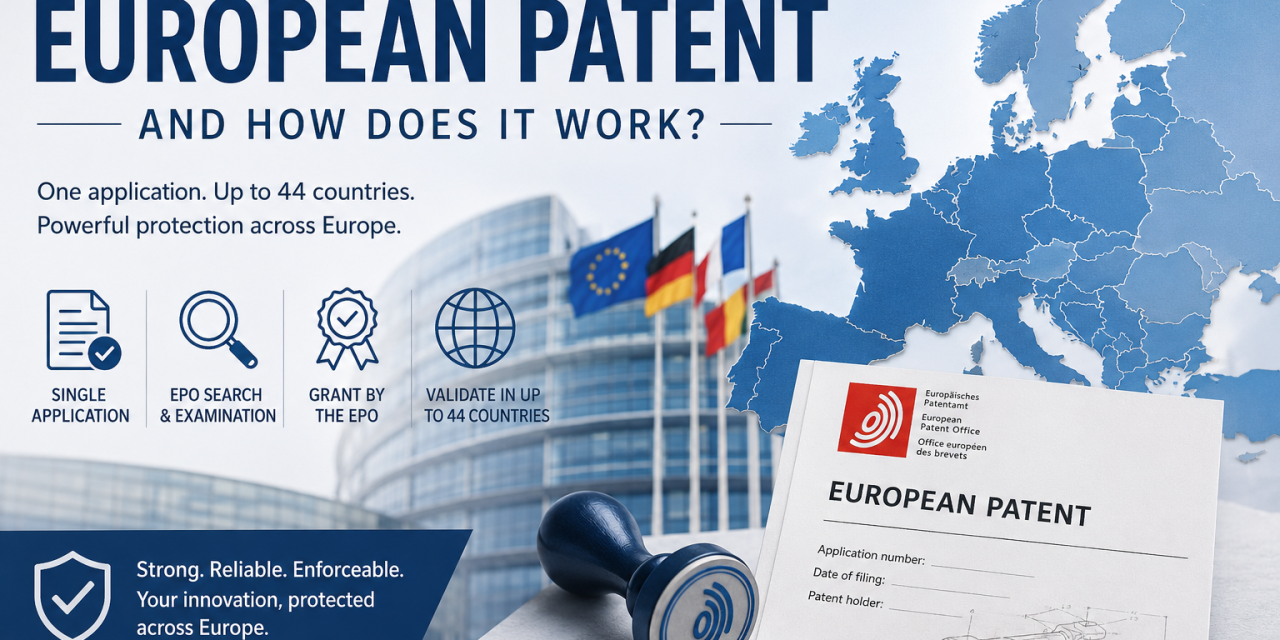
What Is a European Patent and How Does It Work? A European patent is a patent granted by the European Patent Office (EPO) under the European Patent Convention (EPC). Rather than filing separate applications in each European country, applicants can file a single European patent application that, once granted, can be validated in up to...
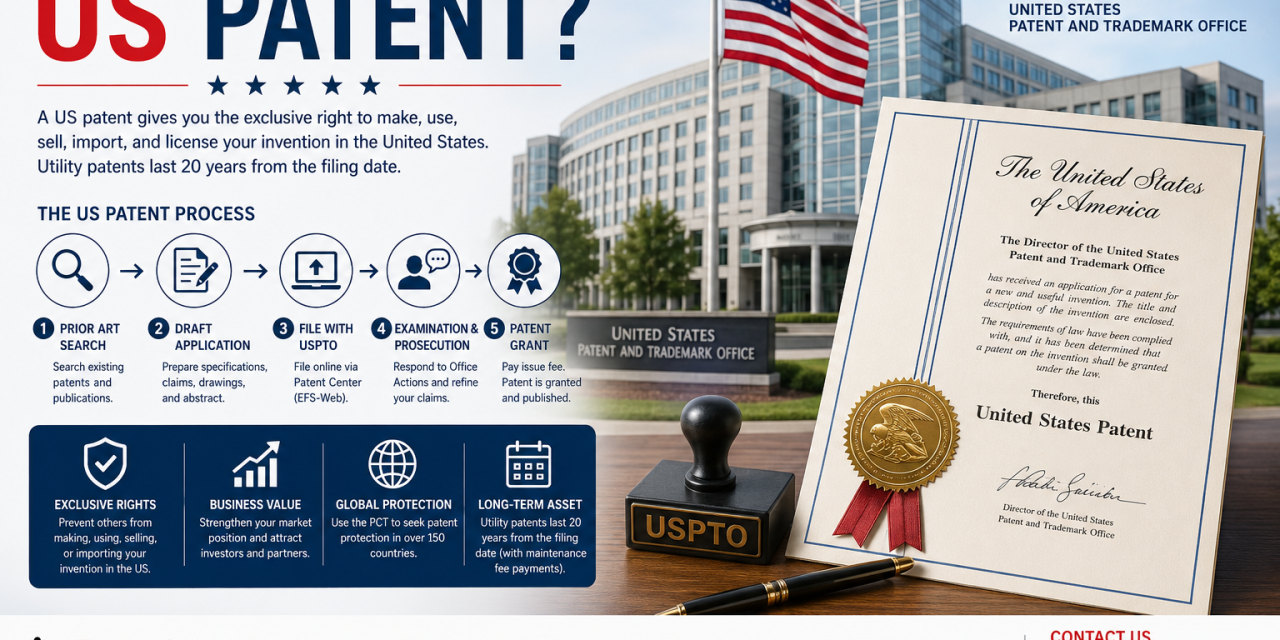
What Is a US Patent and Who Grants It? A US patent is a legal right granted by the United States Patent and Trademark Office (USPTO) that gives the patent holder the exclusive right to make, use, sell, and import their invention within the United States for a defined period. Utility patents, which protect functional...
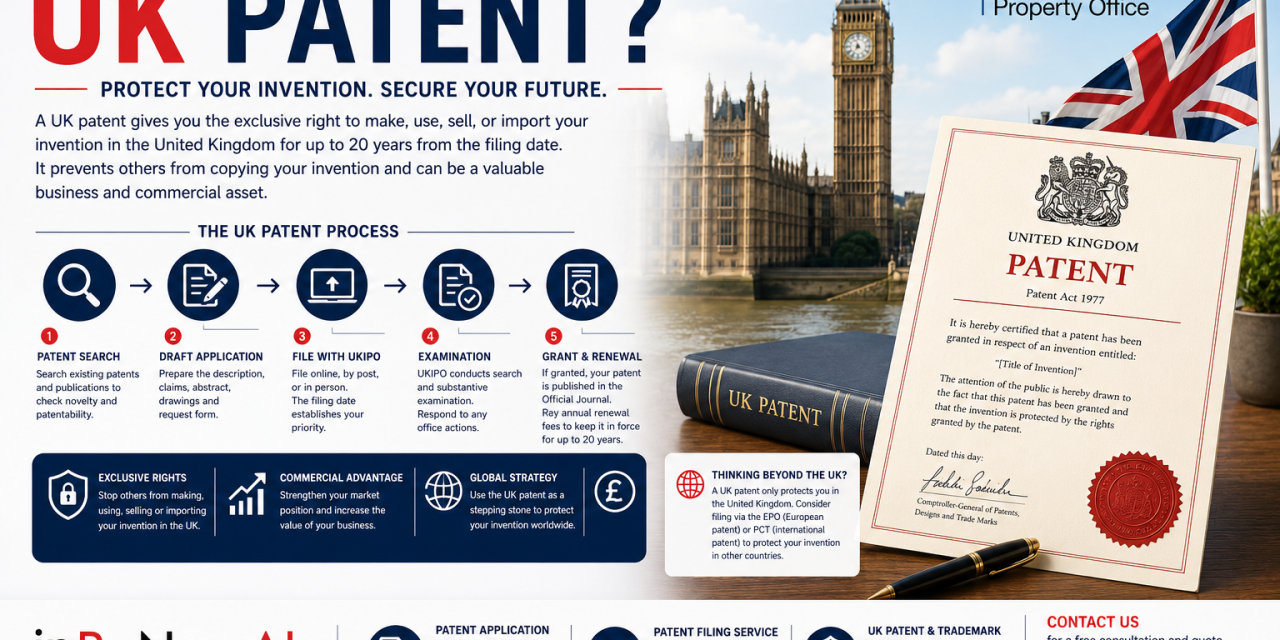
What Is a UK Patent and Why Does It Matter? A UK patent grants you the exclusive right to make, use, sell, or import your invention in the United Kingdom for up to 20 years. Administered by the UK Intellectual Property Office (UKIPO), a granted patent prevents competitors from copying your invention without your permission...
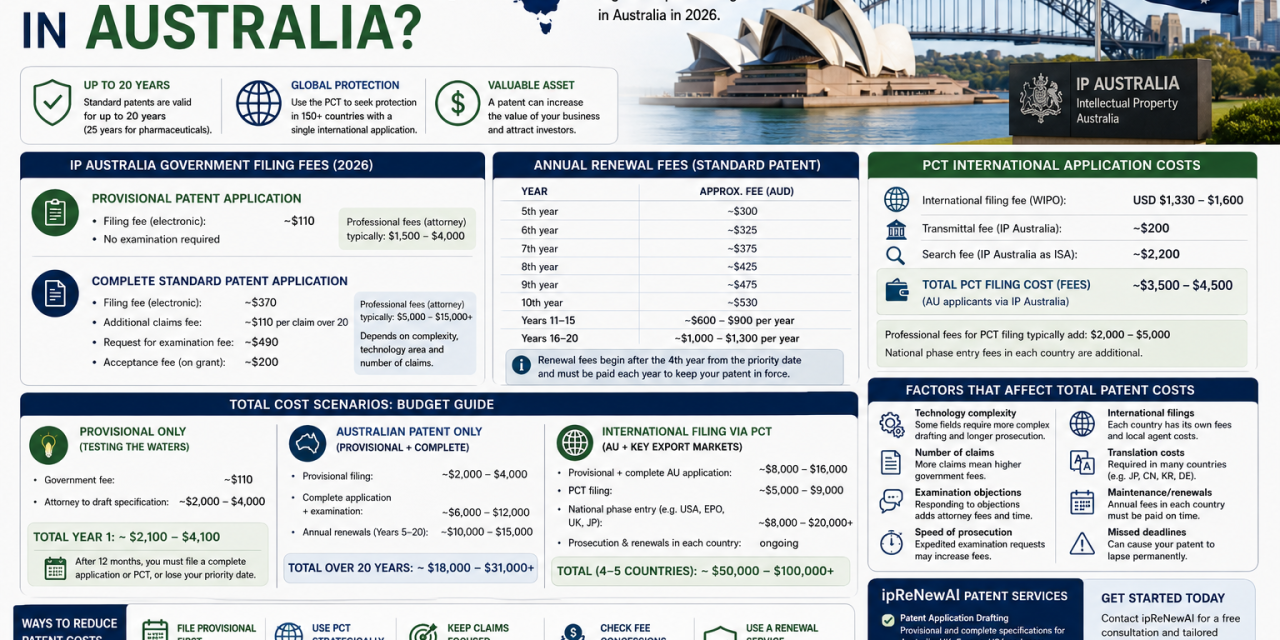
Overview: What Does It Cost to File a Patent in Australia? The total cost to file a patent in Australia in 2026 depends on the type of application, whether you use a patent attorney, the complexity of your invention, and how many countries you want protection in. At the simplest end, a provisional patent application...
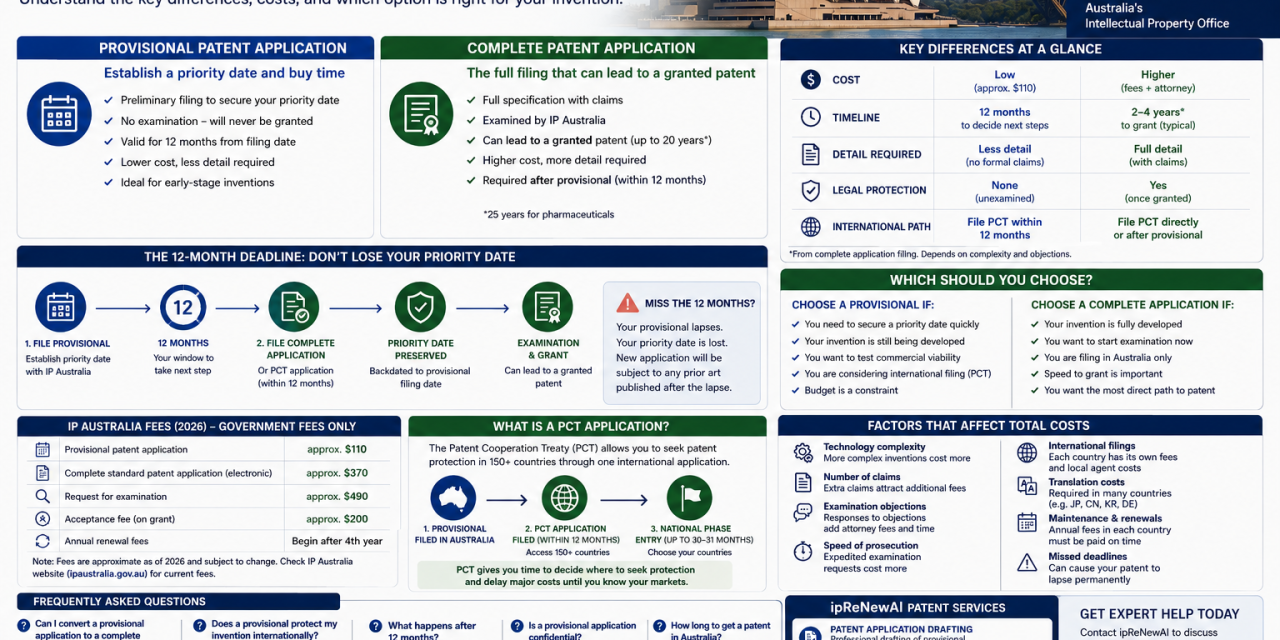
What Is a Provisional Patent Application? A provisional patent application is a preliminary filing with IP Australia that establishes a priority date for your invention without requiring a full patent specification. It gives inventors 12 months to refine their invention, seek commercial partners, and decide whether to proceed with a complete (standard) patent application. Importantly,...
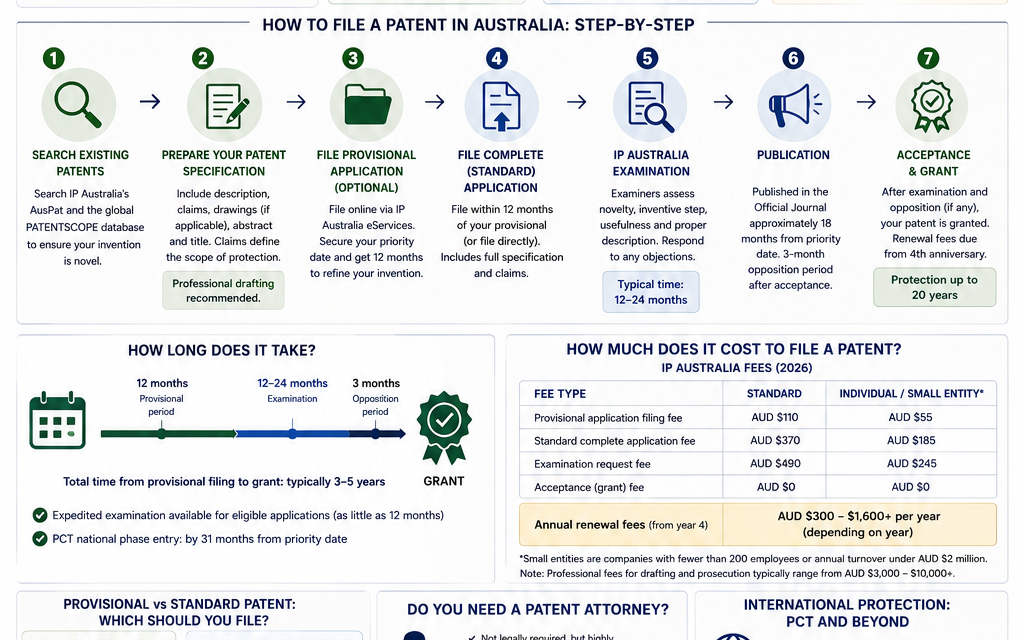
If you are looking to file a patent in Australia, understanding the process from start to finish can save you time, money and frustration. This step-by-step guide walks you through how to file a patent in Australia in 2026 — covering the different application types, IP Australia requirements, key timelines and costs. What Is a...
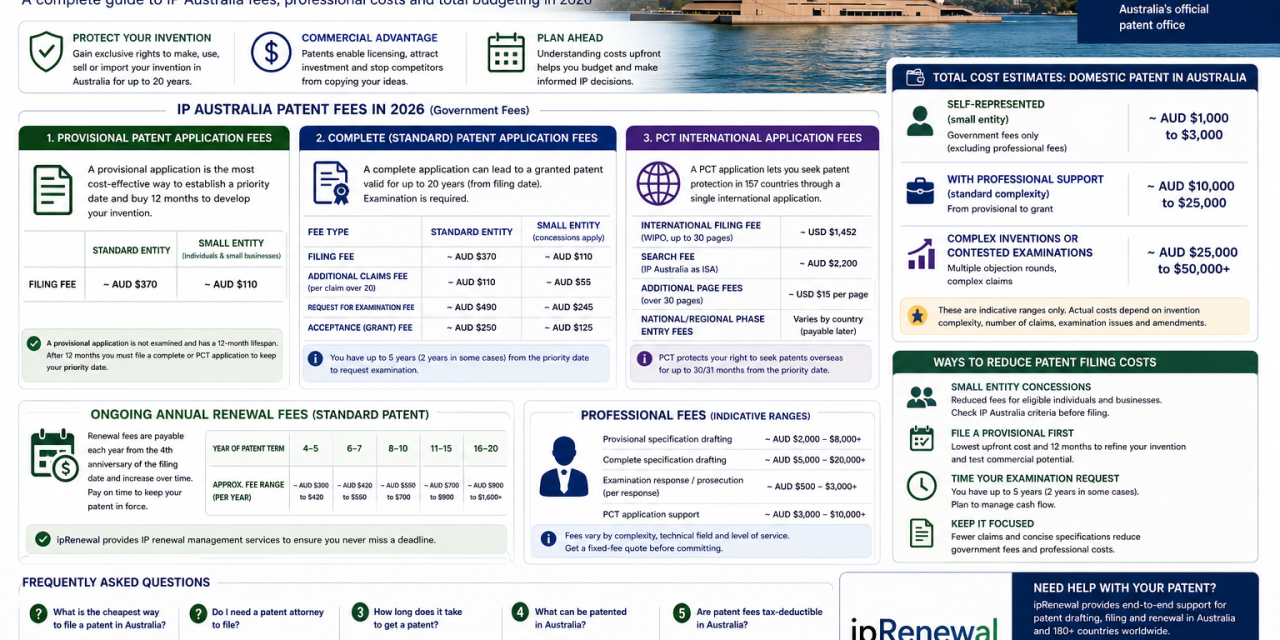
One of the most common questions from inventors and businesses considering patent protection is: how much does it cost to file a patent in Australia? The total cost to file a patent in Australia depends on the application type, the complexity of the invention, the number of claims, and whether you use professional support. This...
Connect with us and become a valued member of the ipReNewAl community. Enjoy hassle-free services and grow alongside us.

Our Services
Find Out More
Let’s Get In Touch